
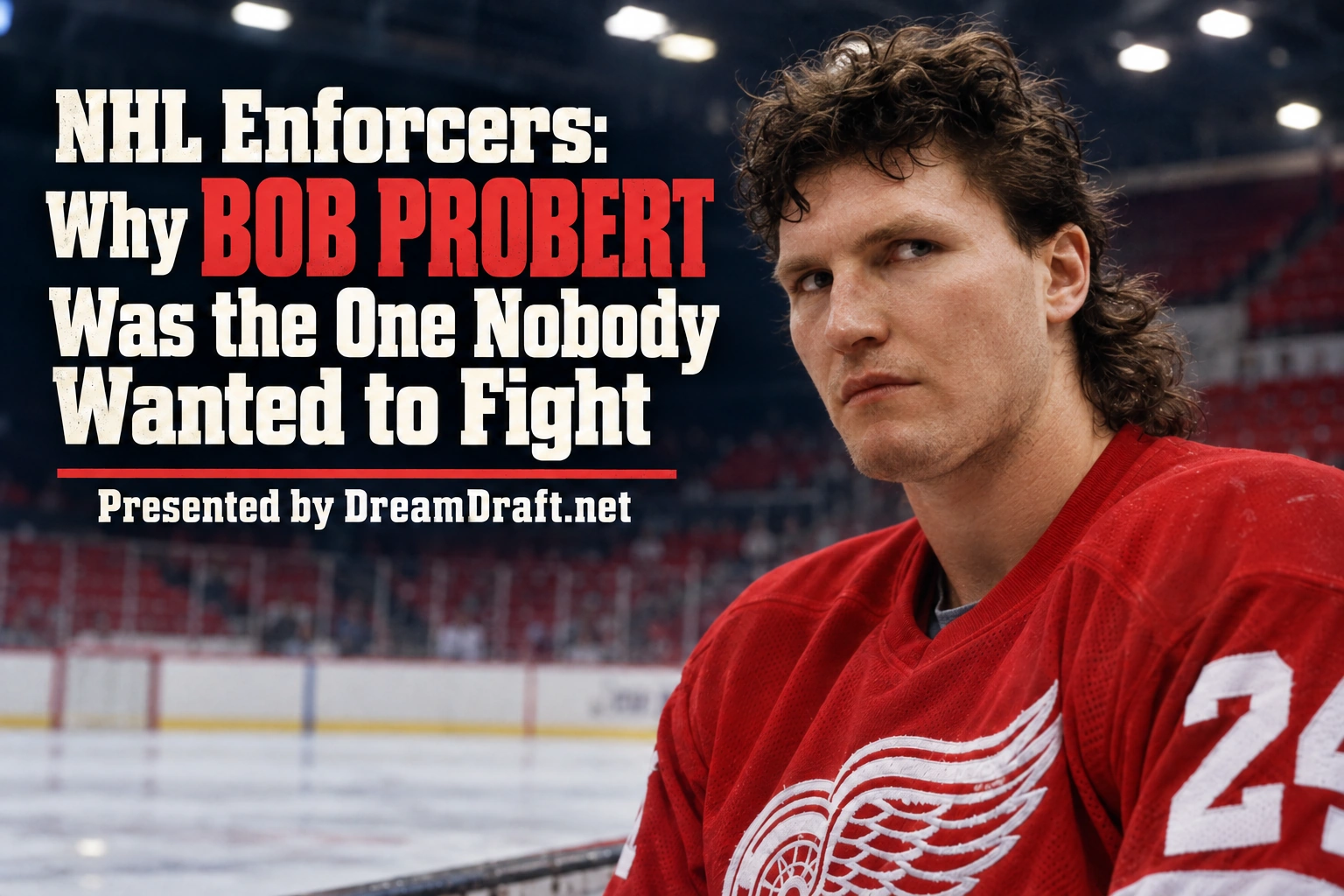
An NHL enforcer was the player whose job was to fight. He protected his team's stars, answered for cheap shots and made the other bench think twice. Bob Probert is the name players and fans give most often as the toughest of them, and he could play, too. In 1987-88 he scored 29 goals and led the league with 398 penalty minutes for the Detroit Red Wings.
DreamDraft rates every player against his own season, and that Probert season comes out at 69.4, where 50 is an average skater. Most of the biggest penalty seasons in NHL history rate below 40.
Key takeaways
- Bob Probert's 1987-88 season (29 goals, 62 points, 398 penalty minutes) rates 69.4 in DreamDraft, the second-highest of any season in our enforcer table.
- Dave Schultz's NHL-record 472 penalty minutes in 1974-75 rate 23.8, and Joey Kocur's 377 in 1985-86 rate 19.6.
- Tiger Williams holds the career record with 3,971 penalty minutes. Probert is fifth with 3,300.
- Fights fell from about 1.1 per game in 1987-88 to 0.23 per game in 2025-26, and the pure enforcer went with them.
What is an enforcer in hockey?
He's the player who keeps order with his fists. If someone ran at your goalie or your best scorer, the enforcer made him answer for it. Wendel Clark, the Maple Leafs' first overall pick in 1985 and a fighter himself, described that bargain on the Clearing the Crease show in August 2026. Players who targeted opponents knew they could be called on to fight. (CTC Live, 21:17)
Tiger Williams made the same case on CBC in 1979. He argued that fighting gave players a way to make opponents treat them with more respect. (CBC Archives, 0:56)
The job occupied them between games, too. In an interview later re-posted by the 4thLineVoice channel, Probert described checking the schedule and thinking ahead to the men he might have to fight. (4thLineVoice, 2:38) He said the nerves were worst during the buildup, skating near an opponent while knowing a fight was coming. (3:17)

Why Bob Probert stood apart
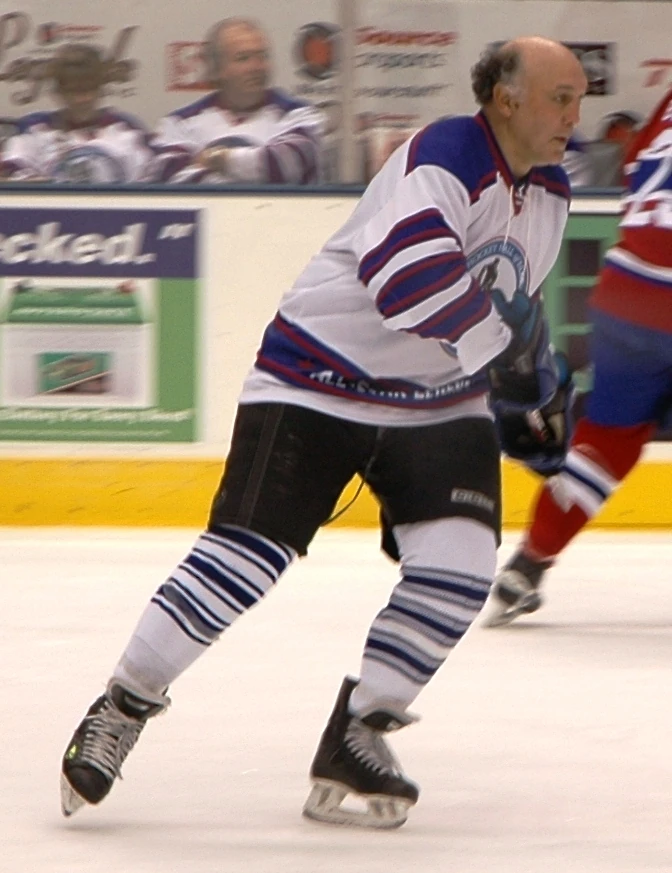
Probert described wanting to become a scorer who could threaten the other team with the puck. He said he hadn't set out to copy Dave Schultz's role as an enforcer. (4thLineVoice, 1:47)
He managed both. Detroit took the Windsor, Ontario, native in the third round in 1983, 46th overall. In 1987-88 he played 74 games with 29 goals, 33 assists and an NHL-high 398 penalty minutes, then led the Red Wings with 21 points in the playoffs. HockeyFights logs 24 of his fights that season and 242 across his career.
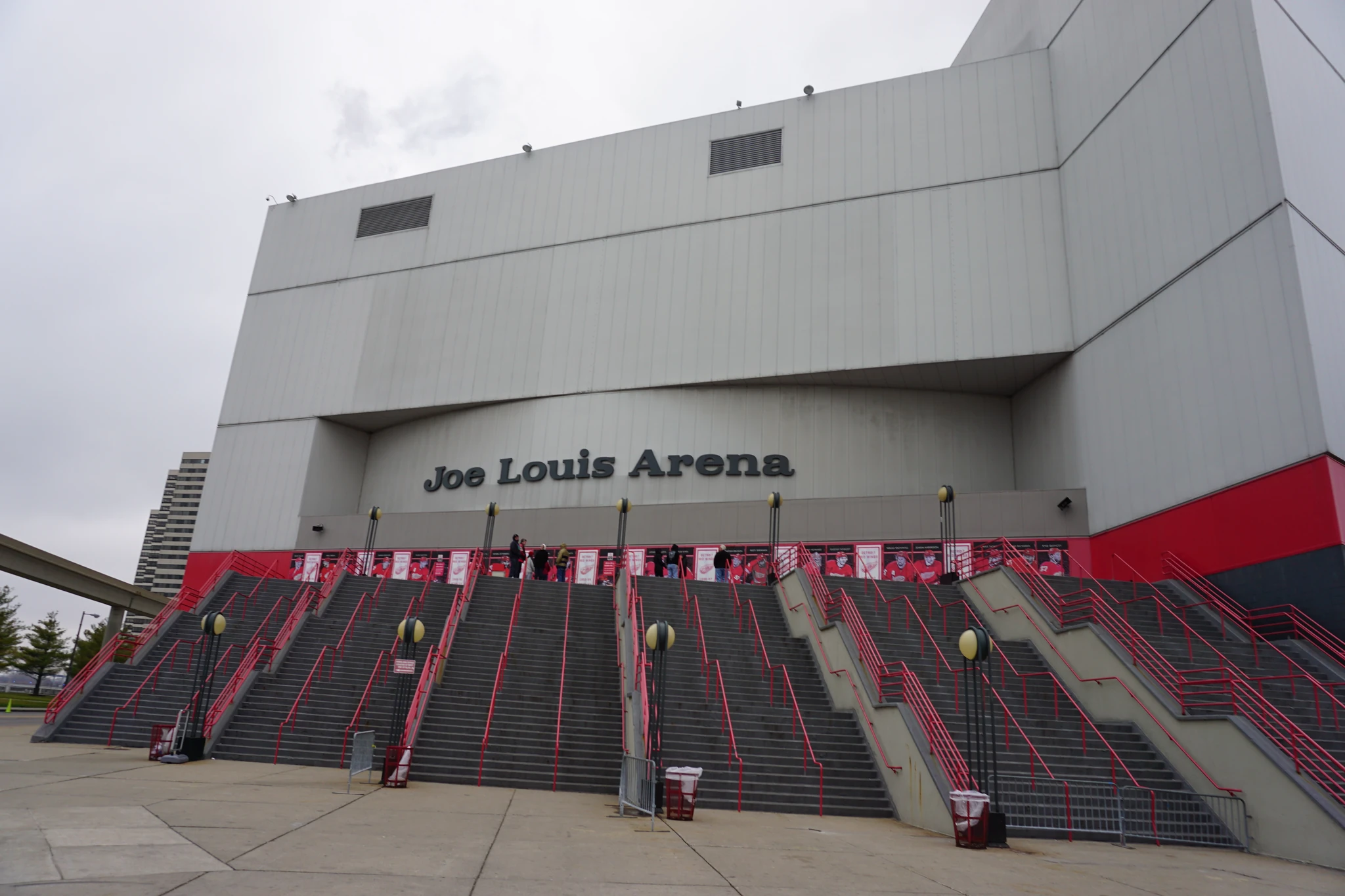
With Joey Kocur he formed the Bruise Brothers, as the Red Wings' own site remembers them. Speaking the day after Probert died, Kocur described the pair as partners who backed each other, free of any rivalry over who would keep a job in Detroit. (WXYZ-TV Detroit, 0:25) He later told John Scott that Probert became harder to beat as a fight went on, and stressed his ability to play hockey. (Dropping the Gloves, 38:55)

Probert told one story about Colin Campbell, then a Red Wings assistant coach, who was assigned to skate him back into shape in Windsor. Campbell caught him smoking in the dressing room, and they put on a junior team's boxing gloves. In Probert's telling, he broke Campbell's nose. Campbell arrived at practice the next day with two black eyes and had borrowed his wife's makeup to cover them. (4thLineVoice, 1:39)
Probert and Tie Domi
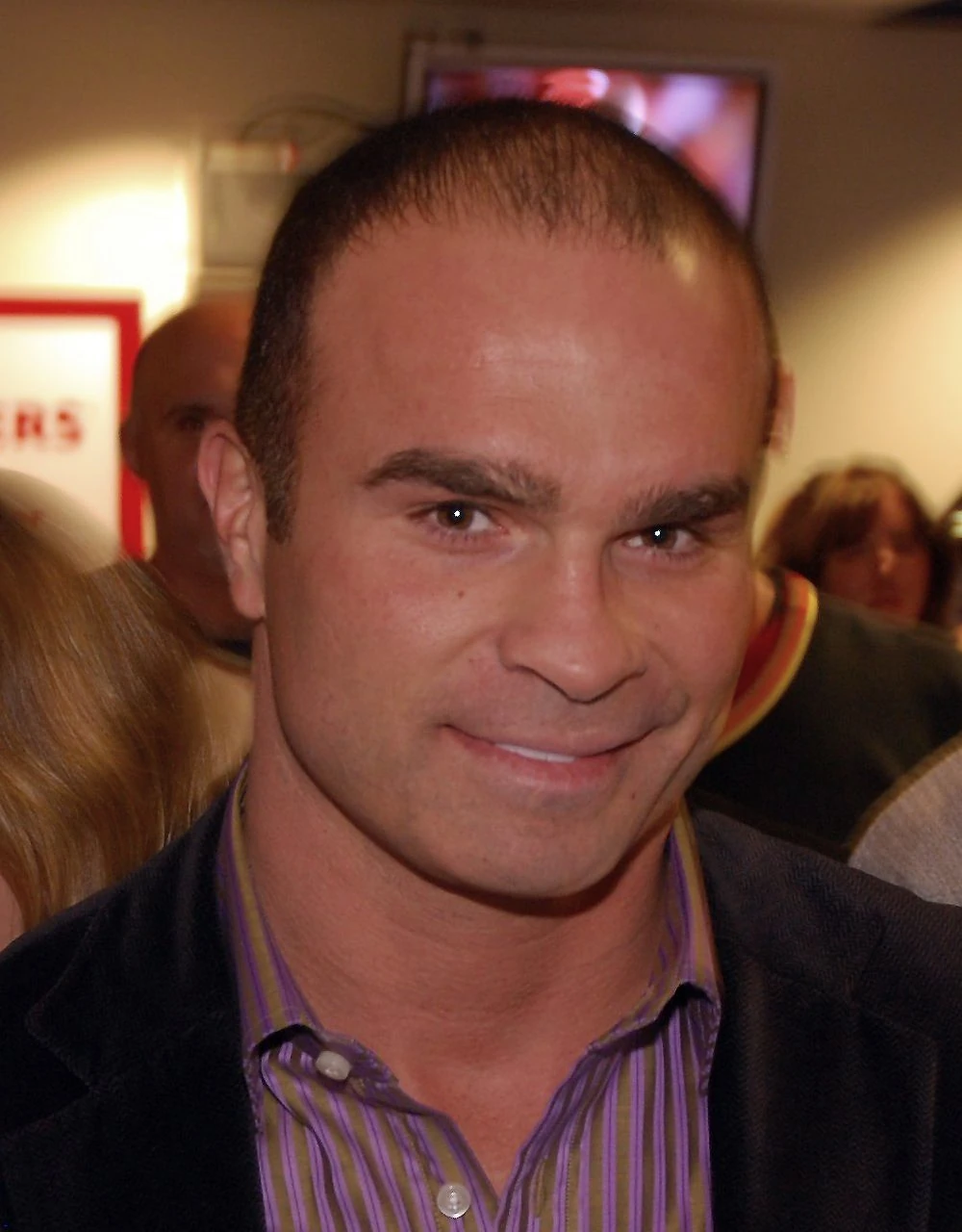
Probert and Tie Domi first fought on February 9, 1992 at Madison Square Garden. Domi felt he won that one and made a heavyweight-belt gesture, and the Rangers promoted the rematch on December 2, 1992, also at the Garden. HockeyFights lists nine fights between them. Looking back on the Spittin' Chiclets podcast in 2020, Domi still gave Probert the standing of a heavyweight champion. (Spittin' Chiclets, 15:39)
Some of Probert's fights with the players in this article, from HockeyFights' log:
| Date | Opponent | Opponent's team |
|---|---|---|
| December 27, 1986 | Wendel Clark | Toronto |
| March 22, 1988 | Marty McSorley | Edmonton |
| February 9, 1992 | Tie Domi (at Madison Square Garden) | NY Rangers |
| December 2, 1992 | Tie Domi (at Madison Square Garden) | NY Rangers |
| December 9, 1992 | Wendel Clark, twice (at Maple Leaf Gardens) | Toronto |
| December 17, 1993 | Joey Kocur | NY Rangers |

Off the ice
On March 2, 1989, Probert was arrested entering the United States through the Detroit-Windsor Tunnel with 14.3 grams of cocaine. NHL president John Ziegler expelled him two days later. He served three months in a correctional facility in Rochester, Minnesota, before returning to the Red Wings.
For years he couldn't play in Canada. A U.S. immigration waiver finally cleared him on December 7, 1992, and two nights later he played in Toronto and fought Wendel Clark twice. Clark remembers Probert holding back in one of those fights. In Clark's account, Probert explained that his mother was at the game and hadn't seen him play in Canada. (CTC Live, 23:55)
After a motorcycle crash and an impaired-driving charge in July 1994, Detroit gave up his rights, and he signed with the Chicago Blackhawks that month. He sat out 1994-95 and played seven seasons in Chicago. Clark singled out those Chicago years as the reason for his respect: at 35 and 36, Probert was still taking on new heavyweights, including young players just entering the league. (CTC Live, 24:08)
Probert retired in 2002 with 163 goals, 384 points and 3,300 penalty minutes in 935 games. He died on July 5, 2010, at 45, after collapsing on a boat on Lake St. Clair.
Marty McSorley, Wendel Clark and the 1993 playoffs
Clark's first two NHL fights were against Marty McSorley, he says, and they kept meeting for years. The best known came on May 17, 1993, late in Game 1 of the Campbell Conference final, a 4-1 Toronto win at Maple Leaf Gardens. The box score gives Clark a fighting major, an instigator minor and a game misconduct, and McSorley a fighting major and an elbowing major.
Clark gives McSorley credit for what he became. He described McSorley's progress from a fighter in Pittsburgh to a defenseman who could play about 22 minutes a night. (CTC Live, 20:04) The numbers agree. McSorley's 1992-93 season, with 15 goals, 41 points and 399 penalty minutes, is the highest-rated season in our enforcer table.
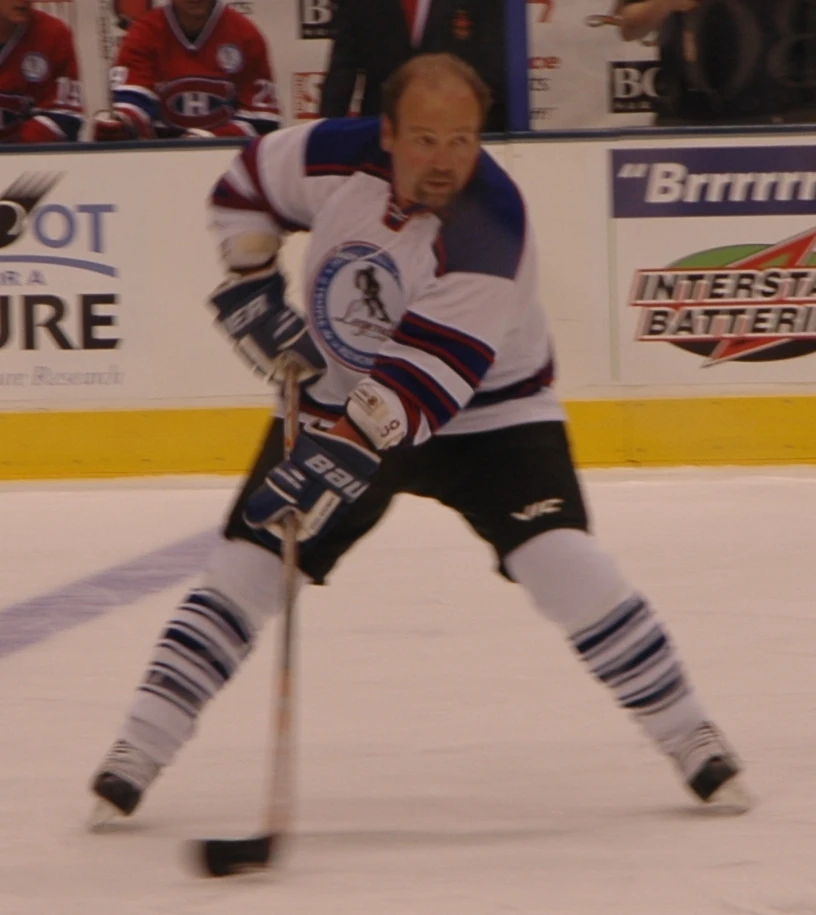



How the NHL's enforcers rate in DreamDraft
DreamDraft's hockey game rates each skater against forwards or defensemen from the same season, so a 1975 season and a 2015 season sit on one scale, with 50 as an average player at his position that year. Scoring is 60% of the rating, playmaking 25% and discipline 15%. Discipline is half plus-minus and half penalty minutes, so a 300-minute season costs a player there. Scoring decides most of the number, which is why the enforcers who could score rate well.
The table shows each player's season with the most penalty minutes.
| Player | Season and team | Goals | Points | Penalty minutes | DreamDraft rating |
|---|---|---|---|---|---|
| Marty McSorley | 1992-93 Kings | 15 | 41 | 399 | 69.8 |
| Bob Probert | 1987-88 Red Wings | 29 | 62 | 398 | 69.4 |
| Wendel Clark | 1986-87 Maple Leafs | 37 | 60 | 271 | 64.0 |
| Tiger Williams | 1986-87 Kings | 16 | 34 | 358 | 41.4 |
| Chris Nilan | 1984-85 Canadiens | 21 | 37 | 358 | 39.5 |
| Donald Brashear | 1997-98 Canucks | 9 | 18 | 372 | 35.1 |
| Tie Domi | 1997-98 Maple Leafs | 4 | 14 | 365 | 31.3 |
| Dave Schultz | 1974-75 Flyers | 9 | 26 | 472 | 23.8 |
| Joey Kocur | 1985-86 Red Wings | 9 | 15 | 377 | 19.6 |
| Craig Berube | 1993-94 Capitals | 7 | 14 | 305 | 17.2 |
| Rob Ray | 1991-92 Sabres | 5 | 8 | 354 | 14.9 |
For scale, Wayne Gretzky's best season in the game, 1981-82, rates 98.4.
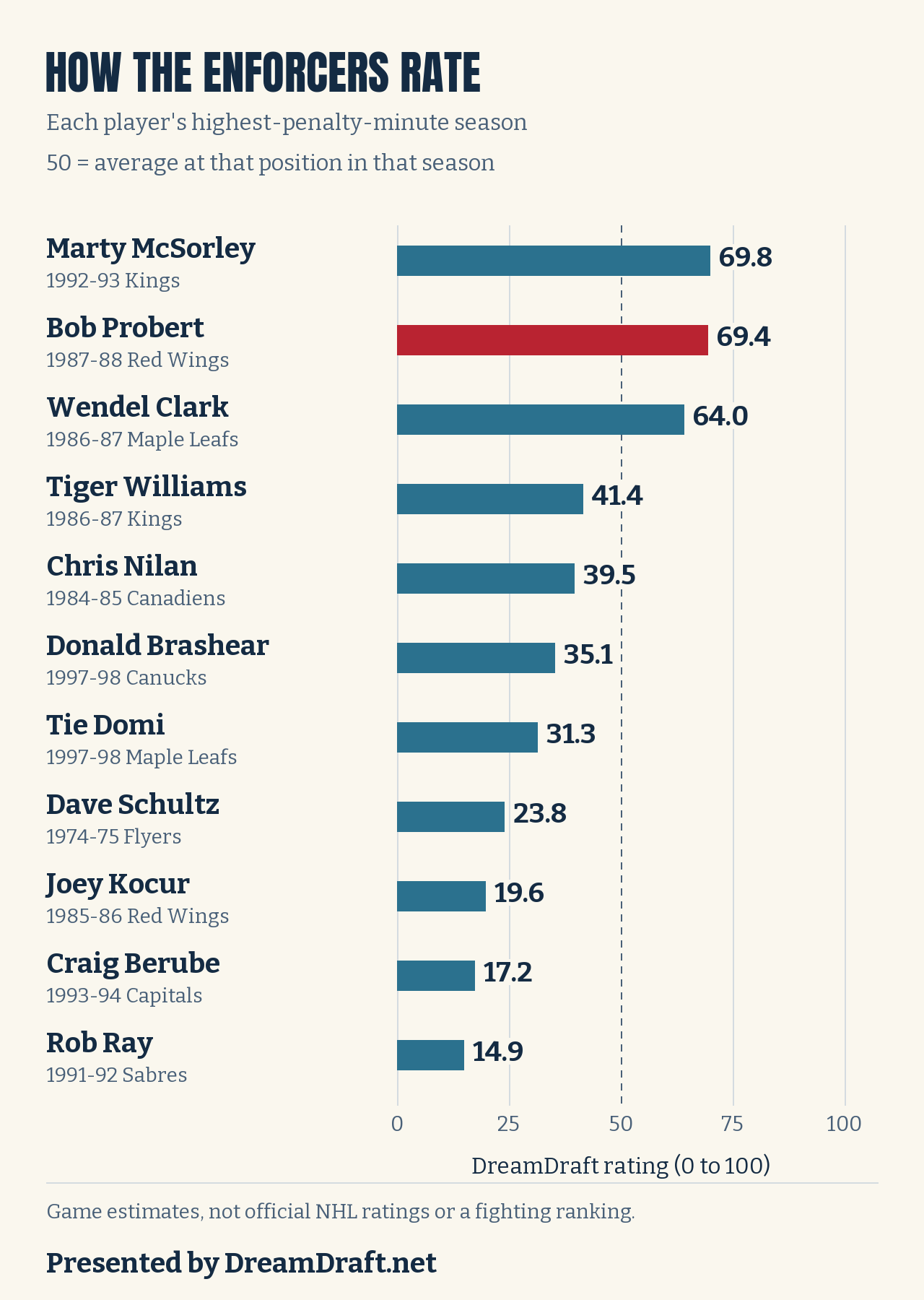
Probert and McSorley took nearly 400 penalty minutes and still rated like first-line players, because they scored. Schultz and Kocur took as many minutes with far less scoring, and the penalties pulled them down. Kocur had better years in him: his 1989-90 season, with 16 goals and 268 penalty minutes, rates 48.2. Tiger Williams' best is his 35-goal 1980-81 with Vancouver, at 64.5.
These ratings are DreamDraft's game estimates from the formula above. They aren't an official NHL statistic.
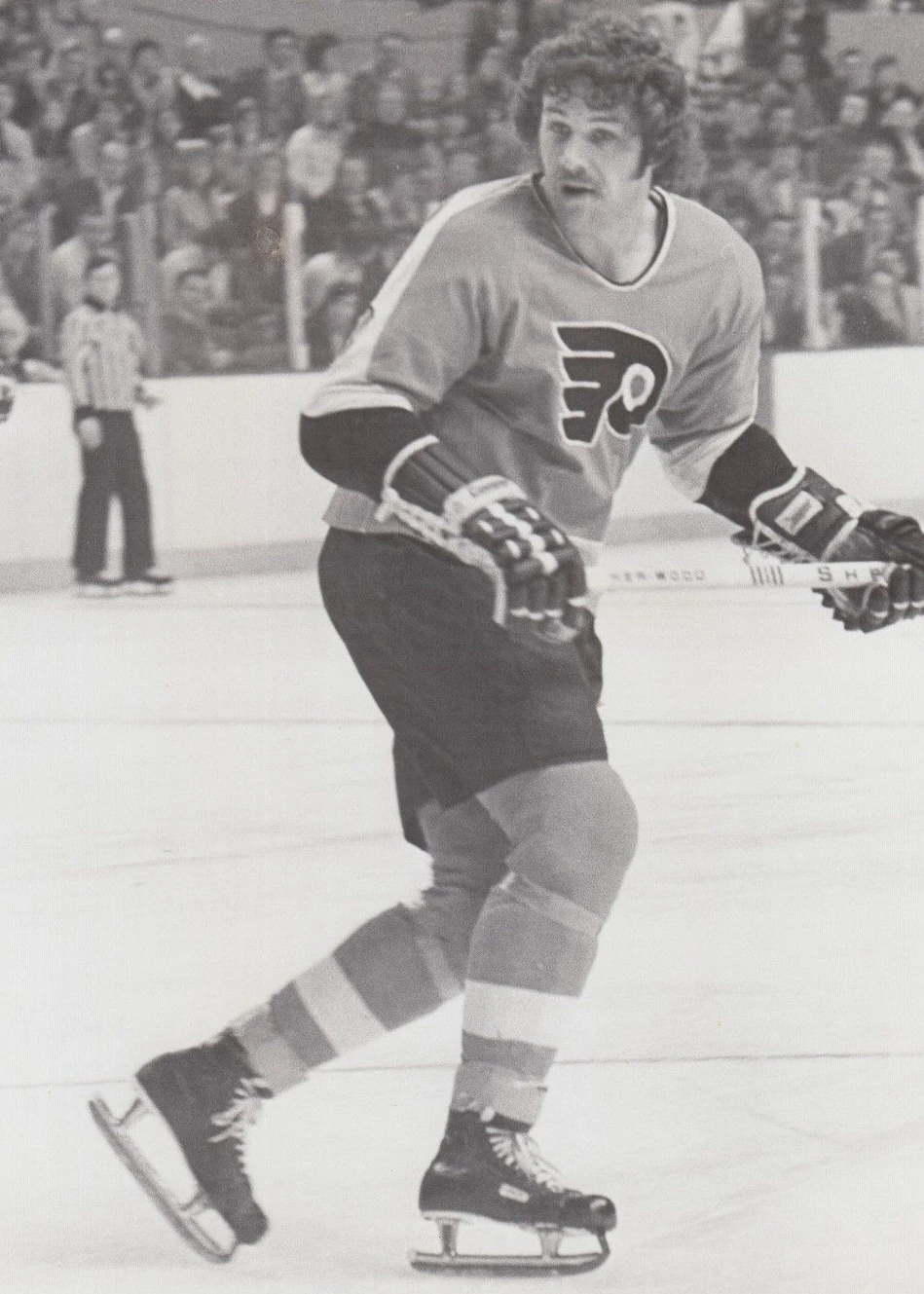

Who has the most penalty minutes in NHL history?
Dave "Tiger" Williams holds the record with 3,971 regular-season penalty minutes. Hockey-Reference and the NHL's own stats agree on all ten names below.
| Rank | Player | Seasons | Games | Penalty minutes |
|---|---|---|---|---|
| 1 | Tiger Williams | 1974-75 to 1987-88 | 962 | 3,971 |
| 2 | Dale Hunter | 1980-81 to 1998-99 | 1,407 | 3,565 |
| 3 | Tie Domi | 1989-90 to 2005-06 | 1,020 | 3,515 |
| 4 | Marty McSorley | 1983-84 to 1999-2000 | 961 | 3,381 |
| 5 | Bob Probert | 1985-86 to 2001-02 | 935 | 3,300 |
| 6 | Rob Ray | 1989-90 to 2003-04 | 900 | 3,207 |
| 7 | Craig Berube | 1986-87 to 2002-03 | 1,054 | 3,149 |
| 8 | Tim Hunter | 1981-82 to 1996-97 | 815 | 3,146 |
| 9 | Chris Nilan | 1979-80 to 1991-92 | 688 | 3,043 |
| 10 | Rick Tocchet | 1984-85 to 2001-02 | 1,144 | 2,970 |
Why did the enforcer disappear?
Fighting was already declining while Probert was still playing. In 1987-88, his 29-goal season, the league averaged 1.12 fights per game. By 2001-02, his last season, the rate was 0.65. A player who could score as well as fight, as Probert could, had more to offer on a night when the gloves stayed on.
Starting a fight also became more costly. The NHL already had an instigator penalty, then added a game misconduct for the instigator in 1992-93. That meant an ejection on top of the other penalties. The Canadian Press's fighting timeline traces that change alongside the rules against leaving the bench to join a fight.
The decline wasn't steady. The rate reached 0.15 in 2019-20 before rising to 0.23 in 2025-26, still about four-fifths lower than in Probert's best season. These are league averages. One game can have several fights and another none.
| Season | Fights per game |
|---|---|
| 1987-88 | 1.12 |
| 1991-92 | 0.90 |
| 1992-93 | 0.64 |
| 2001-02 | 0.65 |
| 2008-09 | 0.60 |
| 2015-16 | 0.28 |
| 2019-20 | 0.15 |
| 2025-26 | 0.23 |
Seasons from 2000-01 on are HockeyFights' published totals. Earlier seasons are DreamDraft's count of the regular-season fights in HockeyFights' fight log, divided by games played, a method that matches HockeyFights' own 2001-02 total exactly.

The enforcers saw it happen. At 6-foot-3 and 225 pounds, Probert remembered being unusually big when he entered the NHL. By the time of his interview, he felt that size had become ordinary. (4thLineVoice, 3:59) Clark argued that skilled players had lost protection as fewer opponents faced a fighter's response. (CTC Live, 21:22) Domi described his own reputation and Probert's as deterrents. Opponents expected a response to hits on teammates, he said, and he felt that expectation had weakened. (Spittin' Chiclets, 45:06)
Ryan Reaves, who retired in September 2026 after 16 seasons, still argues for keeping fights in the game. He said he believed hockey's physical pace meant that removing fighting could come at the cost of star players. (Sportsnet, 20:48)

Watch the enforcers tell it
Wendel Clark's full episode of Clearing the Crease covers McSorley and Probert from about 18 minutes in.
Wendel Clark discusses McSorley, Probert and hockey's enforcers on Clearing the Crease.
Watch on YouTubeProbert talks through the Colin Campbell boxing match, the nerves before a fight and what his teammates gave back. The 4thLineVoice channel re-posted this interview in 2014; its original source isn't named.
Bob Probert discusses his experiences as an enforcer. Re-posted by 4thLineVoice; the original interview source is not identified.
Watch on YouTubeTie Domi's Spittin' Chiclets interview includes the belt, the rematch and his respect for Probert.
Tie Domi discusses the Probert rivalry, the belt gesture and their rematch with Spittin' Chiclets.
Watch on YouTubeJoey Kocur tells John Scott about the Bruise Brothers and his comeback with Detroit in 1996-97.
Joey Kocur discusses the Bruise Brothers and his Detroit comeback with John Scott on Dropping the Gloves.
Watch on YouTubeFrequently asked questions
Who was the best enforcer in NHL history?
Bob Probert is the most common answer from players and fans. He fought every heavyweight of his era across 16 seasons and kept doing it into his late 30s with Chicago. Tie Domi, Joey Kocur, Marty McSorley, Dave Schultz and Tiger Williams are the other names that come up most.
Who has the most penalty minutes in NHL history?
Tiger Williams, with 3,971 regular-season penalty minutes from 1974-75 to 1987-88. Dale Hunter, Tie Domi, Marty McSorley and Bob Probert follow.
How many fights did Bob Probert have?
HockeyFights lists 242: 235 in the regular season, six in the playoffs and one in the preseason. His busiest season was 1987-88, with 24.
Who were the Bruise Brothers?
Bob Probert and Joey Kocur, the Detroit Red Wings enforcers of the late 1980s. Detroit traded Kocur to the New York Rangers in March 1991, and he rejoined the Red Wings in December 1996.
Is fighting still allowed in the NHL?
Yes. A fight brings a five-minute major penalty. Under the NHL's current Rule 46, an ordinary instigator also gets a minor penalty and a ten-minute misconduct. A game misconduct applies in specified cases, including a second instigator penalty in the same game or instigating in the final five minutes of regulation or in overtime. Fights are far less common than in the 1980s and 1990s: about 0.23 per game in 2025-26.
Can I draft Bob Probert in DreamDraft?
Yes. His Detroit and Chicago seasons are in the hockey game, where you draft eight players from random NHL seasons and get a projected 84-game record. Start a Time Machine draft, see who turns up, then compare your roster on the hockey leaderboards.
Download the data
- The enforcer seasons CSV lists every season in DreamDraft's hockey catalogue for 20 players, from Probert and Kocur to Wayne Gretzky for scale, with goals, points, penalty minutes, the game's rating and its three parts. Totals are rebuilt from the per-game figures the game stores and match NHL totals for every season we spot-checked.
- The fights per game CSV covers 1986-87 to 2025-26, with the method and source for each season.
- The career penalty minutes CSV holds the top-10 table above.
Keep the source columns with any rows you reuse. For more NHL records, see the best records in NHL history.
Sources
- Wendel Clark on Clearing the Crease, CTC Live episode on Ozoon Canada, August 16, 2026.
- Bob Probert interview, re-posted by 4thLineVoice, September 7, 2014; original source not named.
- Tie Domi on Spittin' Chiclets, July 25, 2020.
- Joey Kocur on WXYZ-TV Detroit, July 6, 2010, and on John Scott's Dropping the Gloves, October 17, 2025.
- Tiger Williams on CBC Archives, 1979.
- Ryan Reaves on The JD Bunkis Podcast, Sportsnet, October 15, 2026.
- Hockey-Reference career penalty-minute leaders, player pages and box scores for February 9, 1992, December 2, 1992, December 9, 1992 and May 17, 1993.
- NHL stats, season and career penalty minutes.
- HockeyFights.com, Bob Probert's fight card and league fight totals.
- UPI archives on Probert's 1992 clearance to play in Canada, his 1989 arrest and expulsion, his 1994 move to Chicago and his 2010 death.
- Detroit Red Wings on NHL.com, "A tale of twists and turns", May 4, 2017.
- Patrick Hruby, ESPN Page 2, July 2010, on the Probert and Domi rematch.
- Canadian Press via The Hockey News, "A look at the history of fighting in hockey", November 6, 2013.
- Hockey Hall of Fame, Colin Campbell biography.